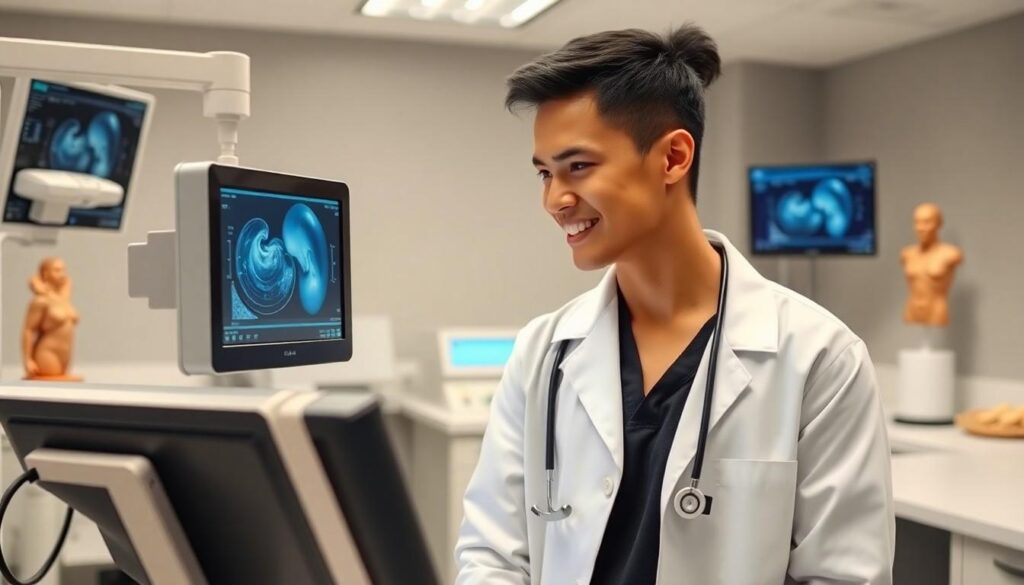

In a world where technology evolves faster than a caffeinated squirrel, schools are stepping up their game with cutting-edge ultrasound tech. Imagine students not just learning about the wonders of sound waves but actually using them to explore the mysteries of the human body. It’s like giving future healthcare heroes a superpower—minus the cape, of course.
These schools aren’t just cranking out textbook knowledge; they’re turning classrooms into labs where students can experience hands-on learning. With ultrasound technology, they can visualize what’s happening beneath the surface, making lessons come alive in ways that traditional methods just can’t match. So, if you’re looking for an educational experience that’s both engaging and innovative, it’s time to dive into the world of schools embracing ultrasound tech. Who knew learning could be this exciting?
Table of Contents
ToggleOverview of Ultrasound Technology in Education
Ultrasound technology plays a crucial role in modern education, particularly in healthcare programs. Educational institutions leverage ultrasound to provide practical experiences that enhance theoretical knowledge. Students gain firsthand experience with imaging techniques, making them industry-ready.
Programs utilize advanced ultrasound equipment in labs. This hands-on training cultivates skills essential for careers in medical imaging and diagnostic sonography. Exposure to various ultrasound applications, such as obstetrics and cardiology, broadens their understanding of human anatomy.
Many schools implement simulation labs to mimic real-world scenarios. These labs enable students to practice ultrasound procedures in a controlled environment. Faculty members guide students through the intricacies of imaging, increasing their confidence.
Industry partnerships often enrich ultrasound education programs. Collaborations with hospitals and clinics allow schools to create externship opportunities, fostering real-world application of skills. Students benefit significantly from mentorship and networking opportunities provided by these partnerships.
Certifications often accompany ultrasound training programs. Graduates tend to pursue credentials, enhancing their employability in healthcare fields. Specialized programs prepare students for roles such as ultrasound technicians or medical sonographers.
Emerging trends show a rise in online courses that include ultrasound training. This flexibility appeals to working professionals seeking career advancement. Access to online resources allows students to learn at their own pace while gaining essential knowledge in ultrasound technology.
Technological advancements continue to shape ultrasound education. Real-time imaging and portable devices create new avenues for teaching and learning. These innovations ensure that students remain at the forefront of healthcare technology, preparing them for the evolving landscape of medical imaging careers.
Benefits of Studying Ultrasound Technology
Studying ultrasound technology offers significant advantages for aspiring healthcare professionals. This field not only provides practical skills but also opens doors to diverse career paths.
Improved Career Opportunities
Graduates from ultrasound technology programs often experience enhanced job prospects. Positions such as ultrasound technicians and medical sonographers remain in high demand, reflecting a growing need for professionals skilled in imaging techniques. According to the U.S. Bureau of Labor Statistics, employment for diagnostic medical sonographers is projected to grow by 12% from 2022 to 2032. Many programs foster industry connections, facilitating externships that bolster resumes. Networking opportunities with healthcare professionals also increase the likelihood of finding rewarding positions. Therefore, students who pursue ultrasound technology can gain a competitive edge in the job market.
Hands-On Learning Experience
Hands-on learning stands out as a key feature of ultrasound technology education. Students engage with advanced simulation labs, allowing them to apply theoretical knowledge to real-world situations. Practical training enhances their skills in performing ultrasound procedures under the supervision of experienced faculty members. Frequent practice with state-of-the-art equipment builds confidence and proficiency. Immersive experiences with patient interactions help students understand the importance of communication in healthcare settings. As a result, the integration of practical learning prepares them for the fast-paced environment of medical imaging.
Top Schools With Ultrasound Tech Programs
Several schools excel in ultrasound technology education, offering unique programs that prepare students for successful careers in the healthcare field.
School A: Program Highlights
School A features a robust ultrasound technology program with a strong emphasis on hands-on training. Students work in high-tech simulation labs, gaining experience with cutting-edge imaging equipment. Faculty members provide personalized mentorship, ensuring students receive guidance to develop their skills. The curriculum includes coursework in anatomy, physiology, and pathology, equipping students with essential knowledge. Graduates often find employment in hospitals and clinics, contributing to patient care as skilled ultrasound technicians.
School B: Unique Features
School B stands out by integrating an online learning option into its ultrasound program. This flexibility appeals to working professionals seeking to advance their careers. In addition to traditional classroom settings, students can access virtual labs that simulate real-world scenarios. Furthermore, partnerships with local healthcare facilities offer externship opportunities that enhance practical experience. The school’s commitment to innovation positions graduates as competitive candidates in an evolving job market.
School C: Accreditation and Reputation
Accreditation plays a vital role in School C’s ultrasound program, recognized by the Commission on Accreditation of Allied Health Education Programs. Strong industry connections bolster its reputation, allowing students to network with professionals in the field. Graduates appreciate high employment rates, often landing positions shortly after completing their degrees. Alumni consistently praise the quality of education and support received throughout their studies. The school’s dedication to preparing competent, confident ultrasound technicians solidifies its place as a leader in ultrasound education.
Factors to Consider When Choosing a School
Choosing a school for ultrasound technology requires careful consideration of several important factors. These aspects can significantly impact a student’s educational experience and career trajectory.
Location and Accessibility
Location significantly influences a student’s daily life and opportunities. Proximity to home can reduce commuting costs and time, enhancing work-life balance. Additionally, accessibility to public transportation plays a vital role in ensuring reliable attendance. Students should consider schools situated near hospitals or clinics, as these locations might offer externship opportunities. Local job markets also provide insight into employment rates for graduates, making location a key factor in decision-making.
Tuition and Financial Aid Options
Tuition rates vary substantially among ultrasound programs. Some schools offer competitive pricing while others may be higher due to specialized resources. Students need to evaluate their financial situation, identifying potential financial aid options like scholarships, grants, or student loans. Various schools provide comprehensive financial aid packages, which can alleviate the burden of tuition costs. Understanding the total cost of attendance, including fees and materials, ensures that students make informed decisions regarding their education investments.
The integration of ultrasound technology in education is reshaping the future of healthcare training. Schools that embrace this innovative approach provide students with valuable hands-on experiences that bridge the gap between theory and practice. As aspiring healthcare professionals engage with advanced simulation labs and industry partnerships, they gain the confidence and skills needed to excel in their careers.
With a growing demand for ultrasound technicians and medical sonographers, these educational programs are more important than ever. Students are not only prepared for immediate job opportunities but also positioned for long-term success in a dynamic field. Choosing the right school can significantly impact their career trajectory, making it essential to consider factors like location, financial aid, and program offerings. The future of ultrasound education looks bright, promising a new generation of skilled professionals ready to meet the demands of the healthcare industry.