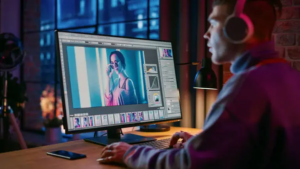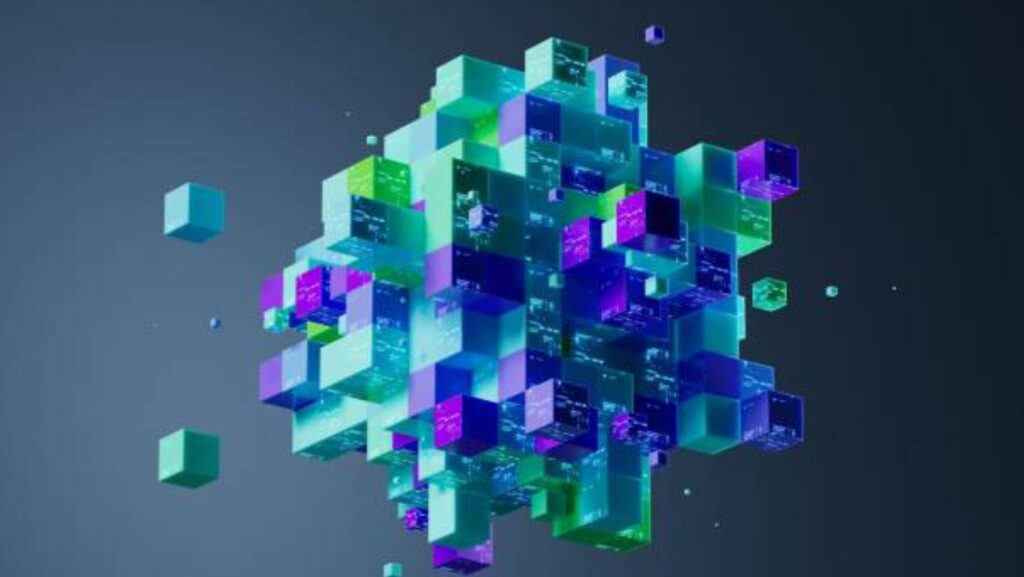
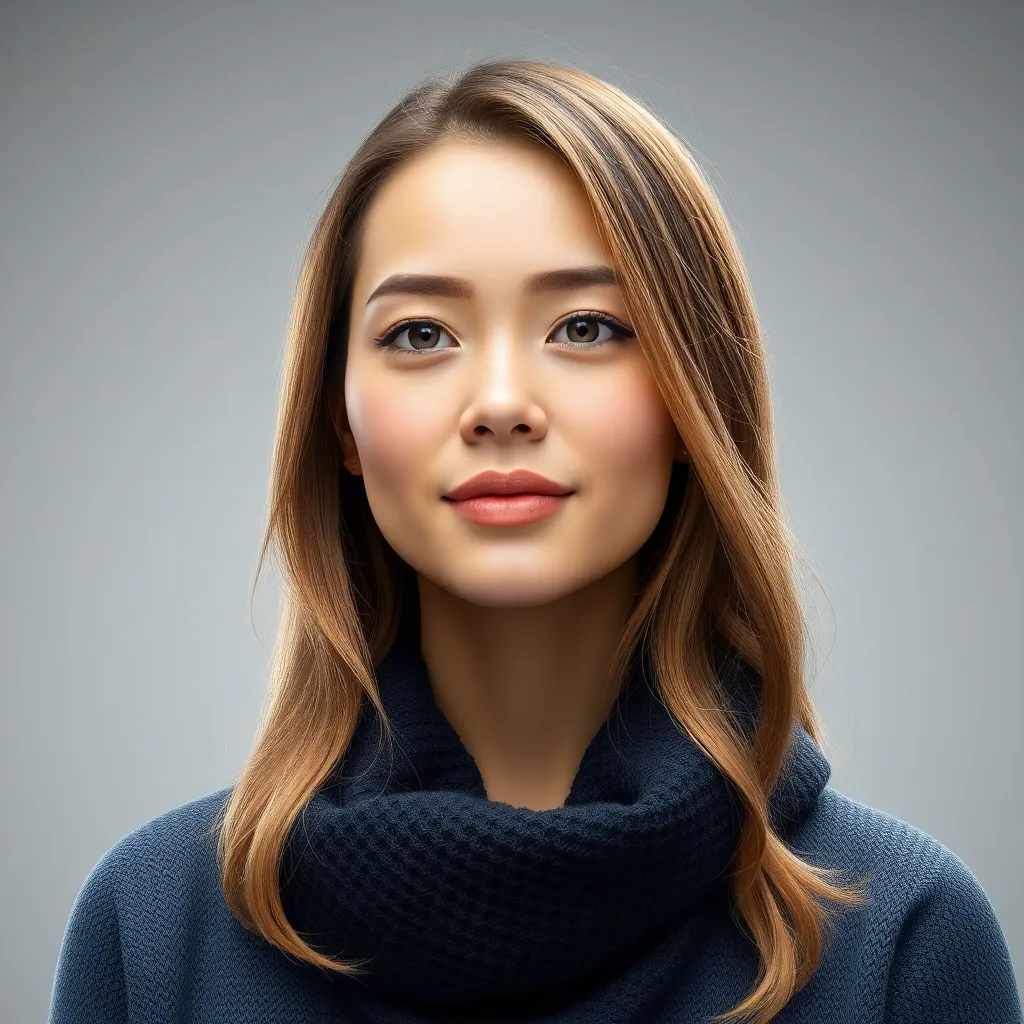
A designer has a rough idea for a futuristic train station but no clear picture of the lighting, scale, or mood.
How do they test several visual directions before spending hours drawing each one? Generative AI can turn prompts into visual drafts, giving creative teams something concrete to react to while an idea is still flexible.
Table of Contents
ToggleWhy Generative AI Works Best As A Visual Sketchpad
Visual ideation happens before a final image is set. Speed matters because the goal is to compare possibilities, reject weak directions, and clarify what the project should look like.
Generative AI fits that stage because a prompt can produce interpretations of the same brief. A game artist might test whether a desert settlement feels stronger at sunrise, under midday light, or during a dust storm before choosing a direction worth developing.
The useful shift is not “AI makes the art.” It is “AI gives the team more material to think with.” Early concept work is supposed to ask questions, not settle every detail.
From Vague Prompt To Useful Concept
A weak prompt usually produces a weak design conversation. “Futuristic city” leaves too many decisions open, while a specific prompt can define subject, setting, lighting, material, and mood.
Someone testing ideas with a free AI image generator might start with “coastal research station at night” and then add a camera angle, wet concrete, warm lighting, and a 16:9 frame. Each constraint gives the model a clearer visual problem.
Specificity should still leave room for variation. If every surface, object, color, and camera choice is dictated at once, the creator may struggle to identify which instruction caused a useful or poor result.
Why Iteration Matters More Than The First Image
The first generation should be treated as a draft, not a verdict. Visual ideation often comes from changing a few variables, comparing results, and tracking what moved the image closer to the brief.
Suppose a book-cover concept has the right character but the wrong mood. Rewriting the entire prompt may introduce new problems. Changing only the lighting from bright afternoon to overcast dusk makes it easier to judge whether atmosphere was missing.
Reference images, sketches, pose controls, and composition inputs can provide more structure when text alone is too loose. Exact continuity can still be difficult: small objects may shift, details may change, and a character may not remain identical between images.
Where Human Judgment Still Does The Hard Work
AI can produce options quickly, but it cannot decide which option best serves a story, brand, or audience. A visually striking image may still be wrong for the brief.
Artists still need to judge hierarchy, readability, proportion, originality, tone, and whether a concept works beyond a single frame. A dramatic robot design might look convincing as a poster but become impractical once someone has to animate its joints or show it from several angles.
Generated images also deserve the same review applied to any outside visual source. Teams should check licensing terms, project requirements, and whether an output is suitable for commercial use before moving it deeper into production.
How To Keep AI From Taking Over The Idea
Start with the creative problem, not the tool. Write down what must stay fixed, what can change, and what decision the images are supposed to help you make.
A practical workflow might compare three thumbnail directions, choose one composition, then test lighting and material choices inside that direction. Saving prompts and selected outputs makes it easier to explain why the team chose a concept instead of endlessly generating new versions.
AI can make iteration almost too easy. The unresolved part is knowing when another batch of images will improve the idea and when it is simply delaying the harder work of choosing.
A Better Way To Treat AI Concept Art
Generative AI is changing visual ideation by making rough concepts faster to test and easier to compare. The strongest results still come from clear prompts, controlled iteration, and human decisions about what belongs in the final work. Concept art remains a thinking process; AI simply gives that process another kind of sketch.