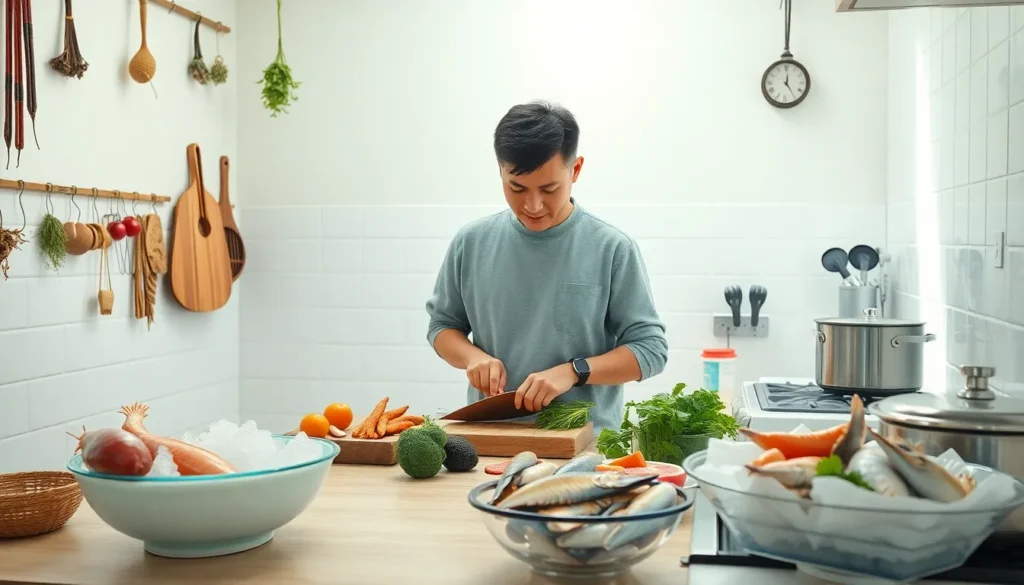

Cooking can be a delightful adventure, but it can also feel like a high-stakes game of culinary roulette. One minute too long and you’ve got a dish that’s gone from gourmet to “what on earth is that?” Enter hingagyi, a dish that’s as mysterious as it is delicious. But how long should it really be cooked?
Understanding Hingagyi
Hingagyi holds significance in various culinary traditions, predominantly found in Asian cuisine. This dish typically consists of rice, seafood, or vegetables, seasoned with a blend of herbs and spices. Cooks aim to achieve the perfect balance of flavors, which depends heavily on proper cooking techniques.
Cooking times for hingagyi vary based on ingredients and methods. For instance, when using fresh seafood, the usual cooking time ranges between 10 to 15 minutes. If vegetables accompany the dish, the total cooking duration might extend to about 20 minutes. Adjustments can be made if using frozen seafood, which often requires 15 to 20 minutes to cook thoroughly.
Texture plays an important role in the final product. Aiming for tender rice or adequately cooked vegetables elevates the dish’s overall quality. Monitoring cooking times closely ensures that ingredients maintain their desired qualities. Cooks might also consider the heat level used during cooking; higher heat often speeds up the process, while lower heat can enhance flavor infusion.
Using a steaming or sautéing method can impact cooking duration as well. Steaming typically takes about 5 to 10 minutes, while sautéing can require approximately 15 minutes for complete preparation. Mastery of these techniques aids in adapting the dish to personal preferences. Understanding these factors leads to a more successful and enjoyable cooking experience.
Cooking Time Essentials
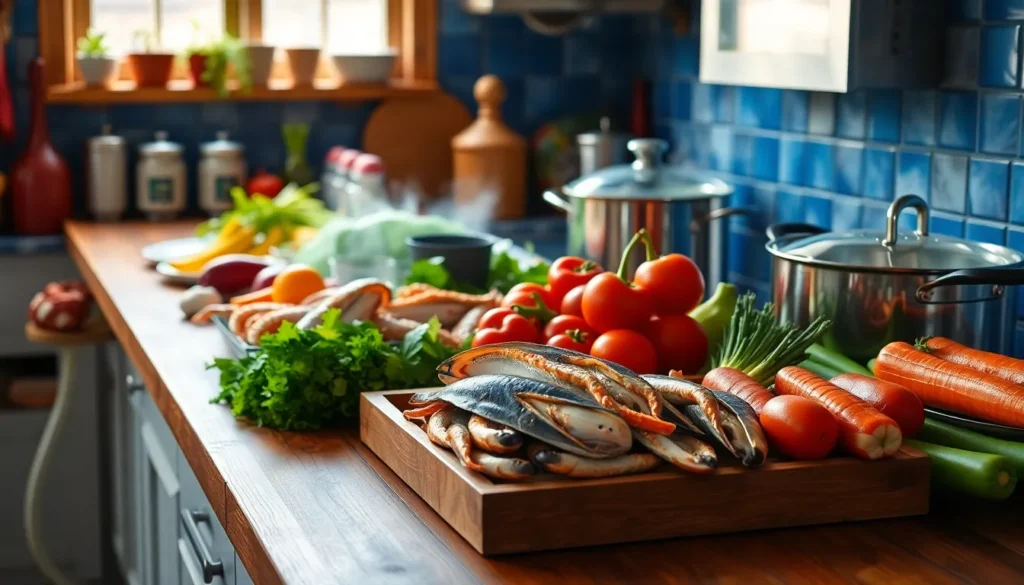
Cooking time varies for hingagyi based on its ingredients and methods. Achieving the best texture and flavor requires understanding these specifics.
Factors Affecting Cooking Time
Ingredient type significantly influences cooking duration. Fresh seafood often cooks in approximately 10 to 15 minutes while vegetables usually need around 20 minutes. Cooking method also plays a role. Steaming typically takes about 5 to 10 minutes, while sautéing requires roughly 15 minutes to reach the desired doneness. Heat intensity affects outcomes, as higher temperatures cut down cooking time, whereas lower temperatures allow for deeper flavor development. Finally, the size of ingredient pieces matters; smaller pieces cook faster than larger ones.
Recommended Cooking Time
Aim for precise cooking times for optimal results. For seafood, a window of 10 to 15 minutes suffices to ensure tenderness without overcooking. When preparing vegetables, allow about 20 minutes for proper cooking without compromising texture. Steaming, an efficient technique, requires 5 to 10 minutes, preserving nutrients while achieving a pleasant bite. Sautéing, an alternative method, benefits from around 15 minutes. Adjust times slightly based on individual ingredients and desired outcomes for best results.
Step-by-Step Cooking Instructions
Cooking hingagyi involves specific steps for optimal results. The following sections outline the preparation and cooking methods to ensure a successful dish.
Preparing Hingagyi
Gather fresh ingredients, including rice, seafood, or vegetables. Rinse rice thoroughly to remove excess starch, which ensures better texture. Chop vegetables into uniform pieces for even cooking. Select fresh seafood, ensuring it’s properly cleaned. Measure spices and herbs beforehand to streamline seasoning. Organize all necessary utensils, such as pots, pans, and spatulas, for an efficient cooking process.
Cooking Methods
Choose from several cooking methods based on texture preference. Steaming, for instance, takes about 5 to 10 minutes, maintaining ingredient integrity. Sautéing requires roughly 15 minutes, allowing flavors to combine. Boiling involves cooking seafood for about 10 to 15 minutes, ensuring it’s fully cooked and safe to eat. Consider heat intensity; higher temperatures speed up the process, while lower temperatures develop deeper flavors. Adjust cooking times if using larger ingredient pieces for even cooking.
Common Mistakes to Avoid
Overcooking hingagyi ranks among the most common errors. Cooking fresh seafood beyond 15 minutes leads to a rubbery texture. Undercooking ingredients is another pitfall; vegetables may require around 20 minutes for optimal tenderness.
Using incorrect cooking methods can ruin a dish. Steaming should not exceed 10 minutes, while sautéing typically requires around 15 minutes. Avoid higher heat settings when aiming for deeper flavor profiles. Lower heat allows for better infusion of spices and herbs.
Neglecting ingredient preparation is a mistake that impacts outcomes. Chopping vegetables uniformly enhances cooking consistency. Cleaning seafood properly ensures safety and taste. Gathering fresh ingredients contributes to the dish’s overall quality.
Skipping quality checks on ingredients can result in unpleasant flavors. Always inspect seafood for freshness and vegetables for firmness. Utilizing smaller pieces of ingredients can facilitate quicker cooking.
Failing to monitor cooking times creates uncertainty. Timers can offer great assistance, helping track each cooking method’s recommended duration. Adjusting times based on ingredient size and cooking conditions is key to mastering hingagyi preparation.
Lastly, overlooking personal preferences can lead to an unsatisfying experience. Taste testing throughout the cooking process allows for adjustments in seasoning and texture. Prioritizing these factors ensures a successful hingagyi dish, reflecting individual tastes and preferences.
Conclusion
Cooking hingagyi can be a rewarding experience when approached with the right knowledge and techniques. Understanding the specific cooking times for each ingredient is essential for achieving the perfect texture and flavor. Whether opting for fresh seafood or vibrant vegetables the cooking method chosen will significantly impact the final result.
By mastering various techniques such as steaming and sautéing home cooks can elevate their hingagyi to new heights. Paying attention to ingredient preparation and monitoring cooking times ensures that each element comes together harmoniously. With practice and attention to detail anyone can create a delicious hingagyi that delights the palate and showcases their culinary skills.