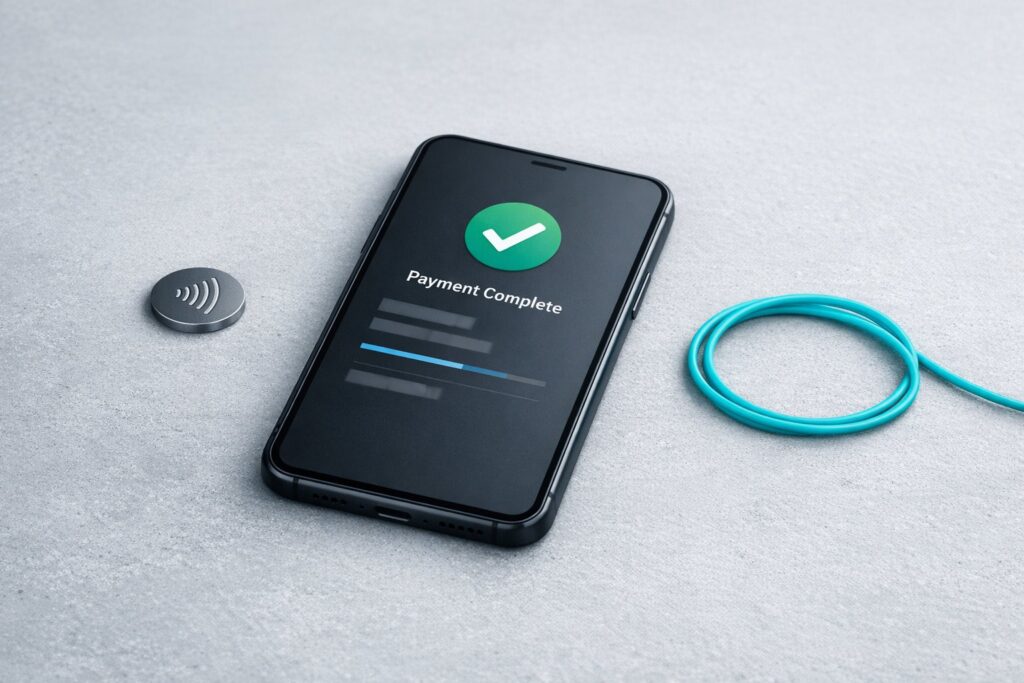

Frictionless digital payments are changing how users interact with gaming platforms by making transactions faster and more reliable. Improved payment technologies are central to user satisfaction, helping to enable secure and efficient movement of funds. As user expectations rise, these innovations are reducing the barriers between players and seamless gaming experiences.
Whether depositing funds or withdrawing winnings, the quality of the payment experience is an essential aspect of digital entertainment. Users look for payments that match the speed and convenience of the platforms, with instant PayID-enabled options in Australia commonly used for reduced delays, including in areas such as finest payid online pokies australia. This shift towards nearly instant and streamlined processing comes from demand for fewer interruptions and lower friction. Integrated technologies work behind the scenes to help payments meet expectations for speed, transparency, and trust.
Understanding seamless payments in digital gaming
Seamless payments in gaming involve more than simply authorizing a transaction. Users expect rapid processing, consistent reliability, and clear confirmation each time they fund an account or cash out a balance. Slow transfers, confusing payment flows, or unexplained failures are among the main reasons transactions may be abandoned. Making the experience smooth relies on more than just speed, reducing uncertainty and friction at each stage is essential. Convenience is important, but not at the expense of trust or transparency.
Smart payment design forms the backbone of this experience, guiding users through clear directions, minimal required fields, and prompt feedback on transaction status. Visual indicators, such as progress bars and confirmation screens, play a role in lowering stress and supporting user confidence. Successfully completed transactions should be acknowledged immediately, reinforcing trust and reducing customer support inquiries. By minimizing distractions and redundant input requests, platforms can help reduce the rate of abandoned payment sessions. The goal is for technology to handle complexity so that payments feel nearly invisible to the user.
The most significant payment methods in gaming
Several payment methods have become prominent in digital gaming, with each catering to specific needs and preferences. Instant bank transfers and real-time rails offer direct account-to-account payments, which are useful for timely deposits and withdrawals. E-wallets and stored-value solutions provide flexibility, allowing users to move funds securely without re-entering financial details. Their compatibility with gaming platforms offers a mix of safety and efficiency.
Credit and debit card payments, which continue to be widely used in digital commerce, are now often protected by tokenization processes that help protect sensitive information from breaches. Mobile payment options are also gaining popularity, with biometric authentication further supporting user confidence and limiting fraud risks. Supported by biometric confirmations or app-based verifications, players can finalize payments quickly and securely. The availability of these varied methods supports the accessibility and inclusivity of modern gaming payments, providing users with more choice and control over their funds.
Advances in the technology that powers transactions
The effectiveness of online gaming payments relies on advanced infrastructure operating in the background. Payment gateways serve as intermediaries between gaming platforms and financial institutions, carrying transaction requests while handling encryption and regulatory checks. Sophisticated routing technologies help choose which networks process each payment, increasing the chances of successful authorizations and decreasing disruptions caused by network issues. Smart retry mechanisms automatically attempt failed transactions through alternative paths, aiming to improve reliability when upstream issues occur.
Tokenization and credential vaulting are also important, as they significantly reduce the exposure of sensitive card and account details. By replacing sensitive data with secure tokens, these systems are designed to keep funds safe while meeting privacy requirements. High-frequency fraud detection tools use real-time data analytics to monitor transactions for risk, balancing user safety with smooth gameplay. Encryption protocols are employed at every stage, aiming to protect payments from unauthorized access.
Essential security, compliance, and user trust factors
Strong encryption, both during transfer and storage, is a core component of digital payment security. All personal and financial data is transformed into secure code when moved or kept, helping minimize the risks of potential breaches. Regulatory requirements, particularly in the gaming industry, mean thorough KYC and identity verification steps are built into payment flows. Although these steps may introduce some friction, effective system design aims to keep their impact low while ensuring compliance.
Transparency regarding processing times, potential fees, and withdrawal statuses is essential for building lasting trust. Users benefit from real-time updates on transaction progress, clear explanations of any charges, and quick responses or resolutions for disputes. Accessible mobile-first payment flows, designed for straightforward use on any device, support all users regardless of technical skill, as highlighted by Caleb Daly. By combining robust security with intuitive processes, modern payment technologies help protect user interests and encourage confidence throughout the gaming experience.