

Yumkugu—sounds exotic, right? But before you dive into this intriguing dish, you might want to ask yourself one question: is it going to turn your stomach into a wrestling ring? Many food enthusiasts rave about its unique flavor and culinary charm, but others are left wondering if they’ve bitten off more than they can chew.
Understanding Yumkugu
Yumkugu is an exotic dish known for its distinct flavor. This dish often sparks debate among food lovers regarding its digestibility.
What Is Yumkugu?
Yumkugu originates from specific cultural culinary traditions. This dish typically contains a blend of intriguing ingredients, which may vary by region. Many describe it as a rich combination of spices and textures. Eager food enthusiasts often seek it out for its unique taste profiles. Some preparations feature ingredients that enhance its complexity, attracting adventurous eaters.
Nutritional Profile of Yumkugu
Yumkugu boasts a diverse nutritional profile. This dish generally contains protein, fiber, and essential vitamins. Nutrients can vary based on ingredients used in its preparation. A typical serving might offer about 200 to 300 calories, depending on portion size. Many find its nutrient density appealing, considering it a wholesome option. Certain variations might also provide healthy fats, increasing its satiety value.
Digestive Process of Foods
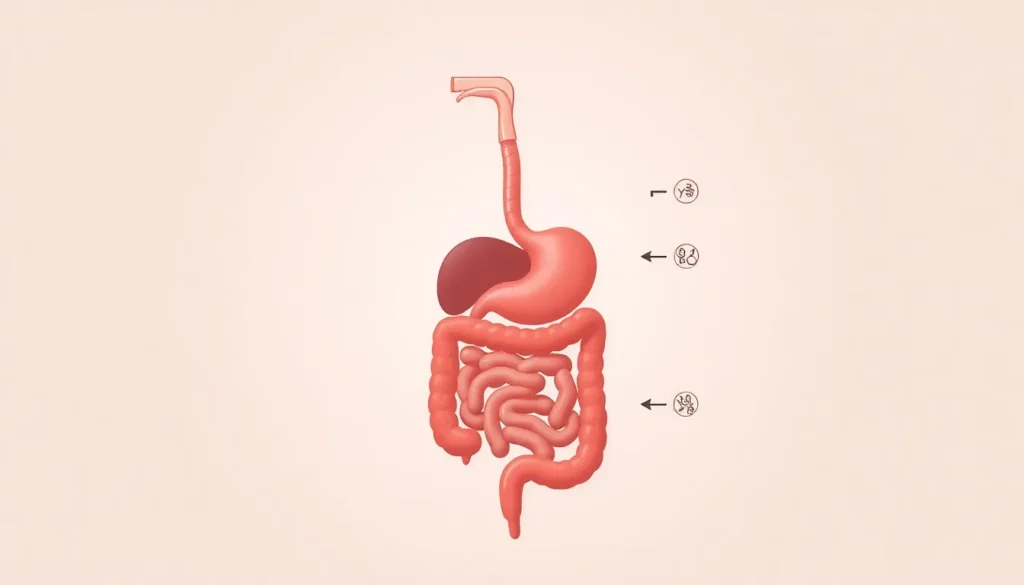
Digestion converts food into energy, enabling the body to function efficiently. The process involves several stages, beginning when food enters the mouth and ending with nutrient absorption in the intestines.
How Digestion Works
Chewing breaks food into smaller pieces, making it easier for enzymes to start the chemical breakdown. Saliva plays a crucial role, as it contains enzymes that initiate this process. Once swallowed, food travels down the esophagus to the stomach. In the stomach, gastric juices continue digesting food, transforming it into a semi-liquid substance known as chyme. This chyme then moves to the small intestine, where most nutrient absorption occurs through the intestinal walls. Absorbed nutrients enter the bloodstream and fuel the body’s functions while waste products progress to the large intestine.
Factors Affecting Digestion
Various factors influence digestion. Food composition is significant; high-fat and spicy meals often require longer digestion times. The frequency of meals matters too; eating smaller, more frequent meals can enhance digestive efficiency. Hydration impacts digestion since water aids in breaking down food and nutrient absorption. Stress can disrupt digestion, leading to discomfort or slower processes. Individual health conditions can also play a role; certain intolerances or gastrointestinal disorders may complicate digestion. Finally, physical activity encourages overall digestive health, promoting regular bowel movements.
Is Yumkugu Difficult to Digest?
Yumkugu presents unique challenges for some due to its complex ingredients. Many individuals encounter digestive issues after consuming it, particularly if they are not accustomed to the spices or fiber content.
Common Digestive Issues
Gastrointestinal discomfort can stem from Yumkugu, particularly for those sensitive to high-fiber foods. Bloating and gas frequently arise, especially when larger portions are consumed. Occasional heartburn can also occur, primarily because of its spiced components. Diarrhea has been reported as well, often linked to individual reactions to specific ingredients. Understanding personal tolerances may improve one’s experience with this dish.
Reports and Anecdotes
User experiences with Yumkugu vary significantly. Several diners express satisfaction, noting no digestive troubles after enjoying the dish. Conversely, individuals with sensitive stomachs often share tales of discomfort following consumption. Anecdotes suggest that preparation methods can play a role; well-cooked variants tend to be easier on the stomach. Collectively, these reports contribute to diverging opinions on Yumkugu’s overall digestibility.
Health Benefits of Yumkugu
Yumkugu offers several health benefits attributed to its unique ingredients. This dish frequently contains high protein levels, promoting muscle growth and repair. Fiber presence aids in digestion, preventing constipation and supporting gut health. Essential vitamins in Yumkugu contribute to immune function and overall wellness. A typical serving provides between 200 and 300 calories, making it a nutritious choice for those seeking a filling yet healthy meal. Some versions include healthy fats like avocados, enhancing satiety and nutrient absorption. Diners often appreciate Yumkugu’s nutrient density, particularly when looking for diverse culinary options.
Nutritional Benefits
Nutritional content varies by recipe, but Yumkugu is typically rich in vital nutrients. This dish frequently contains important vitamins such as A, C, and several B vitamins. Minerals like iron and potassium also enhance its appeal, contributing to overall health. Protein intake boosts metabolism and aids weight management efforts. Fiber helps regulate blood sugar levels, making it beneficial for those monitoring their glucose. With such diverse nutritional components, Yumkugu serves as a wholesome meal choice for a balanced diet.
Potential Side Effects
Despite its health benefits, Yumkugu may cause digestive discomfort for some diners. Common side effects include bloating and gas, often linked to its fiber and spice content. People with sensitive stomachs may experience heartburn, especially after consuming larger portions. Individual reactions often vary based on one’s tolerance to spices or unfamiliar ingredients. Preparation methods can impact digestibility; well-cooked versions are generally easier on the stomach. Overall, enjoyment of Yumkugu can differ, so listening to one’s body and moderating intake is essential.
Conclusion
Yumkugu offers a unique culinary experience that can be both delightful and challenging for diners. While many appreciate its rich flavors and nutritional benefits, others may struggle with its digestibility. Individual responses to Yumkugu can vary based on personal health and sensitivity to its ingredients.
Those who enjoy it often find satisfaction in its healthful properties, but it’s essential to approach this dish mindfully. Moderation and attention to preparation methods can make a significant difference in how well it’s tolerated. Ultimately, Yumkugu can be a rewarding option for adventurous eaters willing to explore its complexities while being aware of their own digestive health.