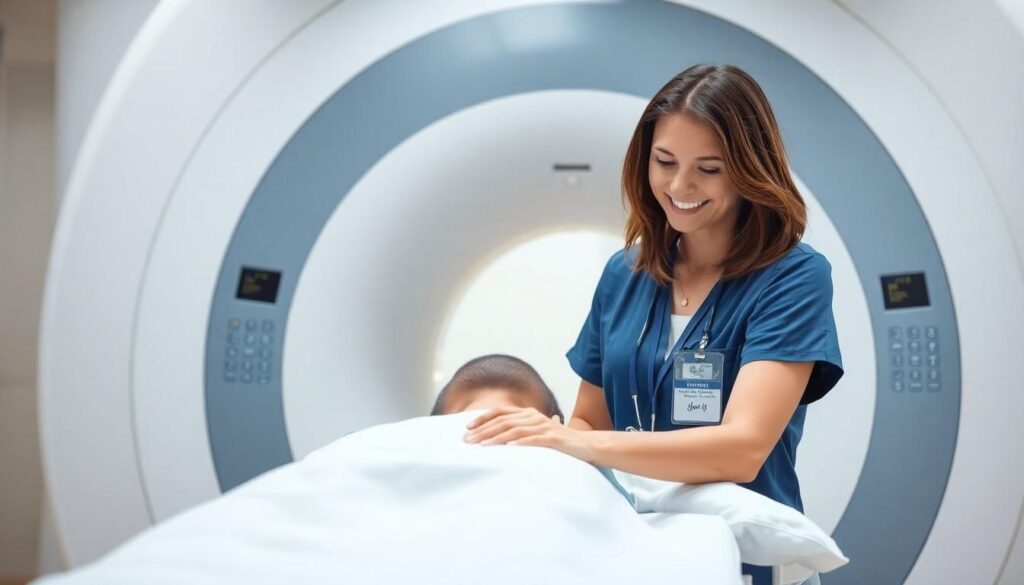

In a world where superheroes wear scrubs instead of capes, MRI technologists are the unsung champions of modern medicine. Armed with their trusty machines, they unveil the mysteries of the human body, one magnetic resonance image at a time. If you’ve ever wanted a job that combines high-tech gadgets with the thrill of unraveling medical mysteries, then an MRI tech position might just be your calling.
Overview of MRI Tech Jobs
MRI technologists play a crucial role in the diagnostic process, operating complex imaging machines to capture detailed images of patients’ internal structures. The responsibility of ensuring patient comfort during procedures falls on these professionals. They explain the imaging process, position patients correctly, and monitor them throughout the examination.
Training for MRI technologists typically involves earning an associate’s degree or bachelor’s degree in radiologic technology and completing specialized MRI training programs. Certification from the American Registry of Radiologic Technologists is often required for employment. Many employers prefer candidates with certification, ensuring that they possess the necessary skills and knowledge for the role.
Job outlook for MRI technologists remains strong, as the demand for medical imaging professionals continues to grow. According to the U.S. Bureau of Labor Statistics, employment in this field is projected to rise by 9% from 2020 to 2030. Advances in medical technology and an aging population contribute to the sustained demand for MRI services.
Work environments vary for MRI techs. Many find positions in hospitals, outpatient imaging centers, and specialized clinics. Collaborative work with radiologists and other medical staff is common, as they contribute to patient care by helping diagnose and monitor various health conditions.
Salary expectations reflect the specialized skills of MRI technologists. The median annual wage for MRI technologists was about $74,000 in 2020, with top earners making over $100,000. Factors influencing salary include experience level, geographic location, and type of healthcare facility.
Each day presents new challenges and opportunities in this dynamic field. An MRI tech’s ability to adapt and learn new technologies ensures they remain integral to patient care and medical advancements.
Skills Required for MRI Tech Jobs
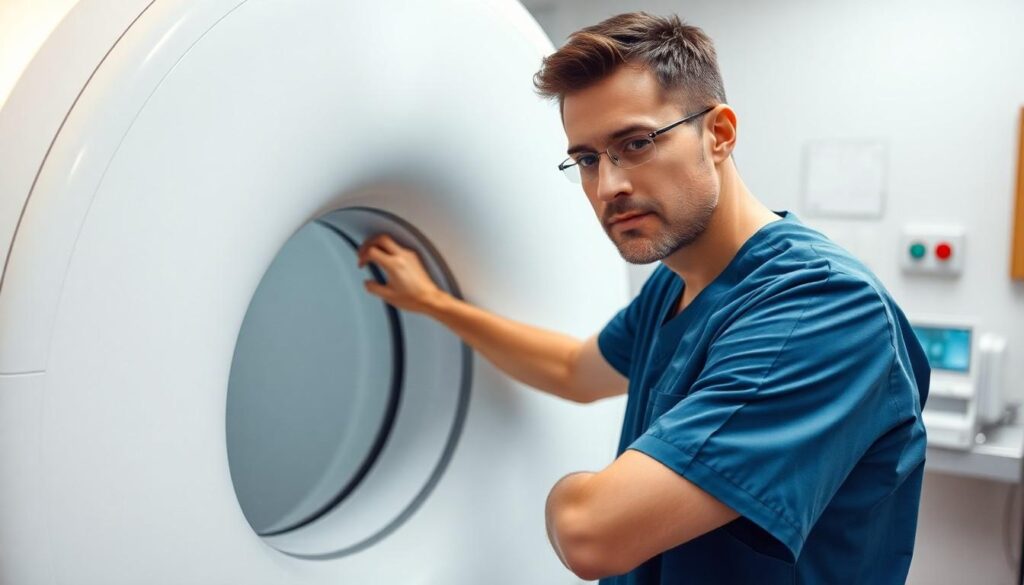
MRI technologists combine technical expertise with strong interpersonal skills to excel in their roles. Success in this field relies on a specific skill set that encompasses both areas.
Technical Skills
Technical proficiency in operating MRI machines is critical. Technologists must understand how to set up equipment and adjust settings based on specific patient needs. Expertise in safety protocols ensures minimal risk to patients during procedures. Additionally, knowledge of image quality assessment enables MRI techs to produce clear, diagnostic images. Familiarity with software used for capturing and processing images enhances workflow efficiency. Staying updated on advancements in MRI technology is essential for ongoing competence.
Interpersonal Skills
Effective communication plays a vital role in patient interaction. MRI techs must explain procedures clearly to alleviate patient anxiety. Empathy enables technologists to connect with patients, fostering a comfortable environment. Team collaboration is necessary when working alongside radiologists and medical staff to ensure comprehensive patient care. Critical thinking skills assist in addressing unexpected situations promptly. Patience is fundamental; technologists often work with individuals who may be claustrophobic or in discomfort.
Education and Certification for MRI Techs
Education and certification are crucial for MRI technologists. These requirements ensure that they possess the necessary knowledge and skills to operate advanced imaging equipment effectively.
Degree Programs
Degree programs for MRI techs typically include an associate’s or bachelor’s degree in radiologic technology. Advanced programs focus on the principles of MRI, patient care, and radiographic safety. Formal education incorporates both classroom instruction and practical experience, often in clinical settings. Graduates must complete MRI-specific training to obtain hands-on skills required for the job. Many institutions offer specialized coursework that covers MRI physics and advanced imaging techniques.
Certification Bodies
Various certification bodies oversee MRI tech credentials, including the American Registry of Radiologic Technologists (ARRT). The ARRT provides a certification exam specifically for MRI technologists, ensuring professionals meet national standards. Additionally, candidates must adhere to ethics and continuing education requirements to maintain their certification. Other organizations, like the American Society of Radiologic Technologists (ASRT), offer resources and educational support for MRI techs pursuing certification and ongoing professional development.
Job Responsibilities of an MRI Tech
MRI technologists play a crucial role in the diagnostic imaging process, performing a variety of responsibilities to ensure quality patient care and accurate results.
Daily Tasks
Technologists operate MRI machines, taking high-quality images for diagnostic purposes. They prepare equipment and check protocols to maintain safety standards. Routine maintenance on MRI machines falls under their duties, ensuring optimal functionality. Adherence to safety protocols is essential to protect both patients and staff. Collaboration with radiologists occurs to discuss imaging requirements and procedures. Documenting patient information accurately supports efficient workflow.
Patient Interaction
MRI techs engage directly with patients throughout the imaging process, explaining procedures in a clear and reassuring manner. They assess patients for potential contraindications to MRI, such as metal implants or allergies. Comforting anxious patients helps ease their concerns, creating a positive atmosphere. Positioning patients accurately on the scanner is vital for obtaining precise images. After scans, technologists provide immediate post-procedure instructions to patients, ensuring their safety and understanding. Building rapport with patients enhances the overall experience, reflecting the technologist’s commitment to exemplary care.
Job Outlook and Salary Expectations
Employment prospects for MRI technologists appear promising, guided by a projected 9% growth rate from 2020 to 2030. This increase results from advancements in medical technology and the rising needs of an aging population. Many MRI techs find positions in hospitals, outpatient imaging centers, and specialized clinics, where collaboration with radiologists is common.
Regarding salary, the median annual wage for MRI technologists was approximately $74,000 in 2020. Factors influencing earnings include geographic location, years of experience, and the type of healthcare facility. For instance, metropolitan areas may offer higher salaries due to the demand for skilled technicians.
Variations in salary also arise based on specialization or additional certifications. Technologists focused on specific imaging techniques might command higher pay. Moreover, those who pursue continuing education and professional development can enhance their employability and potential earnings.
Job satisfaction frequently correlates with the impact MRI techs have on patient care. They play a crucial role in producing diagnostic images that aid in medical decision-making. As the industry evolves, staying updated on technological advancements and maintaining certification through organizations like the American Registry of Radiologic Technologists is vital.
Technologists’ roles are expected to expand further, incorporating new imaging technologies as they become available. Strong demand for MRI services should persist, underscoring stability within the profession. In summary, the future for MRI technologists merges robust job growth with competitive salaries, making it an appealing career choice.
A career as an MRI technologist offers a unique blend of technology and patient care. With a strong job outlook and competitive salaries, it’s an attractive option for those interested in the medical field. The role demands both technical skills and interpersonal abilities, making it essential for MRI techs to stay updated on advancements in imaging technology.
As the healthcare landscape evolves, MRI technologists will continue to play a crucial role in diagnostics. Their commitment to patient comfort and safety ensures a positive experience during procedures. For those seeking a rewarding career that combines science and compassion, becoming an MRI tech presents a fulfilling path.