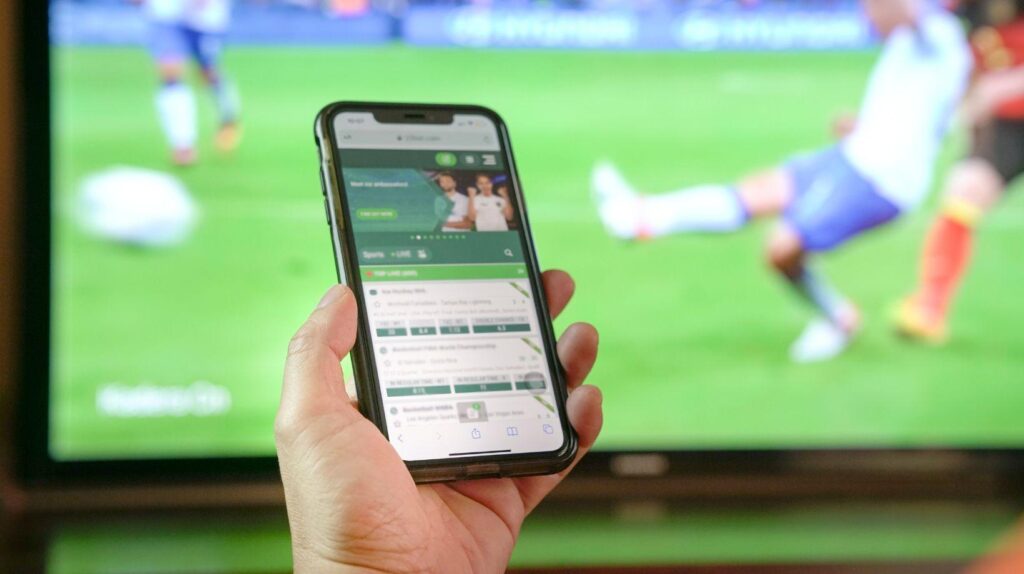

The 2026 FIFA World Cup did two things for the mobile security space: it drove a massive wave of sports betting traffic, and it gave cybercriminals the cover they needed to flood app stores with convincing fakes. DataDome’s threat research team documented nearly 19 million malicious requests blocked against a single European sportsbook in a three-week window during the tournament. Credential-stuffing campaigns targeting betting accounts spiked across the board. And a number of cloned apps. Dressed up to look like legitimate platforms. Made it past automated store reviews and onto Android devices before being pulled.
For anyone in Florida looking to actually place a legal bet, that backdrop matters. The state’s betting landscape is genuinely unusual: the Seminole Tribe holds exclusive online sports betting rights under the 2021 Hard Rock Bet compact, which means the list of fully licensed Florida-facing apps is short. That alone makes verification simpler. But it also makes the fake-app threat sharper, because fraudsters know exactly which brand names to impersonate. Before you download anything, bookmarking a reliable Florida sports betting apps guide is the right first step. It anchors your expectations to apps that have already been checked against licensing and security basics.
The rest of this guide is about what to check yourself, layer by layer.
Why Betting Apps Are a Particularly Attractive Target
Think about what a sports betting app actually holds. Payment details. Identity documents if KYC has been completed. Withdrawal history. In some cases, linked bank accounts. That’s a denser financial payload than most mobile games and a richer target than a generic shopping app.
Approov’s security research, published in June 2026, laid out exactly why this combination attracts attackers: AI has made credential-stuffing cheaper, fake app distribution easier, and API abuse more scalable than at any point before. The cost of running a credential-stuffing campaign against a betting platform in 2026 is a fraction of what it was in 2019. Platforms like DraftKings and FanDuel have both disclosed account takeover incidents in recent years. Not because their platforms were technically broken, but because attackers harvested login credentials from other breaches and tried them at scale.
Florida bettors face an added wrinkle. Because the state’s legal framework limits which operators can officially serve residents, there’s a whole offshore grey market trying to fill the gap. Some of those operators are legitimate businesses operating under Curaçao or Malta licensing. Others are not what they present themselves as. Sorting the real from the fraudulent takes exactly the same checklist a security professional would apply to any unfamiliar app.
Step 1: Start at the Source, Not the App Store
App stores are not a security guarantee. The Hacker News covered a large-scale malware campaign targeting Android and iOS users where cloned financial apps passed automated review and remained live for weeks. The same pattern has hit sportsbook clones.
The right sequence is this:
- Go to the operator’s official website directly. Type the URL, don’t follow a search result.
- Find their official app link from that website’s navigation or footer.
- Follow that link to the App Store or Google Play. Do not search for the app independently in the store.
That single habit cuts most fake-app risk before you’ve even looked at a permission list. If the site doesn’t have an easily identifiable official app link, that’s already a signal worth noting.
Step 2: Check the Developer Certificate Before Installing
On iOS, every app is signed by a developer certificate registered with Apple. On Android, the Google Play developer ID serves the same purpose. Before installing, verify the developer name matches the operator’s official business entity. Not just a similar-sounding name.
A real-world example: a fake Hard Rock Bet clone in early 2026 was published under developer entity “Hard Rock Mobile Gaming LTD”. Plausible enough to pass a glance. The real app is published under the parent Seminole Gaming entity. Same brand name, different developer string. That gap is exactly what fraudsters count on.
On Android specifically, if you’re being asked to enable “install from unknown sources” for a betting app, stop. No legitimate licensed operator distributes their app as a sideload APK outside the Play Store. If someone in a forum or via a WhatsApp message is sending you a direct APK file for a sportsbook, it’s not what they say it is.
Step 3: Read the Permissions List Like It’s a Contract
Permissions are what the app is asking your device to hand over. A sports betting app has legitimate reasons to request:
- Camera access (for KYC document uploads)
- Biometric authentication
- Location (for geofencing compliance. Florida operators are required to verify you’re placing bets from within the state)
- Notifications
- Storage access (limited)
Permissions that should make you pause on a betting app:
- Access to your contacts list
- SMS read permissions (beyond two-factor authentication setup)
- Microphone access with no clear rationale
- Broad file system access
- Permission to install other apps
The FTC’s security guidance for mobile apps makes the point bluntly: an app requesting permissions beyond its stated function is a data-collection flag, regardless of whether it’s also doing what it advertises. Legitimate sportsbooks don’t need your contacts. If the permissions list reads like a surveillance package, trust that read.
Step 4: Verify the Operator’s Licensing Status
This is where Florida’s legal structure actually helps you. There are a finite number of operators legally cleared to take real-money bets from Florida residents in 2026. Hard Rock Bet, operating under the Seminole compact, is the only platform with full state authorization for online sports wagering. DFS operators like DraftKings and FanDuel operate legally under fantasy sports statutes. Florida’s House Bill 189, which moved to the floor in May 2026, clarified and tightened DFS legality alongside stricter penalties for unlicensed gambling operations.
So the licensing check is actually quick: look for a compact or license reference in the app’s About section or the operator’s legal page. If an app claims to be a licensed Florida sportsbook but can’t point to a specific regulatory authorization, it either isn’t what it claims or is operating in a grey zone that puts your deposit at real risk.
For offshore apps, the question shifts slightly. Operators licensed under the Malta Gaming Authority or Curaçao eGaming may be accessible to Florida residents through browser or app, but they aren’t licensed to operate within Florida. That doesn’t make them automatically fraudulent. Many are legitimate international businesses. But it does mean your legal protections if something goes wrong are thinner.
Step 5: Test the Security Infrastructure Before Depositing Real Money
Before you put money in, run a few quick checks:
Two-factor authentication. Any legitimate licensed operator offers 2FA. If the app doesn’t, walk away. Account takeovers via credential-stuffing are trivial without it.
Encryption in transit. When you log in or initiate a deposit on a mobile app, the data should be encrypted via TLS 1.2 or higher. You can’t inspect this directly in a mobile app the way you can check HTTPS on a browser, but you can check whether the operator’s web presence uses up-to-date TLS. Any modern SSL checker will surface this in thirty seconds. Operators who skip it on the web are unlikely to be rigorous on mobile.
Responsible disclosure or security contact. Legitimate operators have a way for security researchers to report vulnerabilities. It’s usually buried in a footer or a “security” page. Its absence doesn’t mean the app is fake, but its presence is a meaningful trust signal.
Withdrawal test. I always run a small withdrawal. $10 or $20. Before leaving a larger deposit sitting in an account. The reason is simple: some platforms that look legitimate on deposit have wildly inconsistent withdrawal pipelines. One app I tested in Q2 2026 cleared a deposit in under a minute then flagged my $15 withdrawal for “manual review” that took four days. That friction isn’t necessarily fraud, but it tells you something about the operation’s maturity.
The Home Network Layer People Forget
One thing most bettors don’t think about: the network you’re connecting from matters too. Zeeboinc covered this angle in depth in a piece on home network risks for online gaming. The short version being that an unsecured home router is a passive attack surface even when you’re using a legitimate app with strong in-app security.
The practical implication for Florida bettors: don’t place bets or complete KYC document uploads on public Wi-Fi. Geofencing compliance requires a location signal, which means the app will request your IP and GPS. On an unsecured network, that transaction is more exposed than it needs to be. Use your mobile data connection for anything involving identity documents or deposits. It’s a small habit with a real risk reduction.
FAQ
Are Florida sports betting apps safe to download in 2026? Licensed apps from operators authorized under Florida’s regulatory framework are safe when downloaded from official sources. The risk isn’t the licensed apps themselves. It’s fake clones distributed through unofficial channels. Verifying the developer certificate and downloading directly through the operator’s official site eliminates most of that exposure.
What’s the easiest way to spot a fake sportsbook app? Check the developer name in the App Store or Google Play against the operator’s official legal entity. Fraudulent clones often use near-identical brand names with a slightly different developer string. If you’re ever sent a direct APK download link for a betting app, don’t install it. No legitimate licensed operator distributes outside official stores.
Which betting apps are actually legal for Florida residents right now? Hard Rock Bet is the only fully state-licensed sports betting app operating in Florida under the Seminole compact. DraftKings and FanDuel operate legally for daily fantasy sports. Offshore operators may be accessible but aren’t licensed under Florida law, so your dispute resolution options are different.
Does a VPN affect geofencing compliance on Florida betting apps? Yes. Most licensed Florida operators use both IP geolocation and device GPS to verify state residency. A VPN that masks your IP as out-of-state can trigger a compliance block, even if you’re physically in Florida. Turn VPNs off before launching a licensed betting app.
What should I do if I think I’ve already downloaded a fraudulent betting app? Uninstall it immediately, change any passwords you used, and flag the listing to the app store. If you entered payment information, contact your bank or card provider straight away. Change passwords on any other accounts where you’ve used the same credentials.
Florida’s unusual legal structure. A single dominant licensed operator, a growing DFS market, and a newly tightened enforcement framework under HB 189. Makes it easier than most states to identify what’s legitimate. That’s the upside. The downside is that a short, recognizable list of brand names is exactly what fraudsters copy. The security checklist here isn’t long. Five steps, a network habit, and a legitimate starting resource will put you well ahead of the typical download decision. The 2026 World Cup attack surge won’t be the last one. Treat the app on your phone the same way you’d treat a financial app. Because that’s what it is.
Gambling involves risk. Please play responsibly and only wager what you can afford to lose. If gambling is becoming a problem, visit BeGambleAware.org or call 1-800-GAMBLER.